July 15, 2026
Masonry chimneys are essential features on many modern homes, providing beautiful aesthetic value and crucial structural functionality. Built from strong materials like brick, natural stone, and mortar, these venting systems safely direct smoke and toxic combustion gases away from living spaces. Homeowners often overlook these exterior structures because of their rugged appearance, assuming they can easily withstand decades of harsh weather exposure without intervention. Hiring a licensed masonry contractor to perform routine preservation work is vital to ensure your venting system remains fully operational and safe. Proactive upkeep effectively safeguards your fireplace while defending your entire household from completely preventable structural hazards.
Caring for your brickwork extends far beyond simple cleaning routines, as it encompasses a comprehensive evaluation of everything from the chimney crown to the underlying home foundation. Neglecting these exterior elements can easily lead to hidden water leaks, accelerated material decay, and serious structural shifts affecting the entire house. Understanding how environmental conditions impact brick structures allows you to take control of home maintenance and protect your investment.
Understanding Chimney Materials and Construction
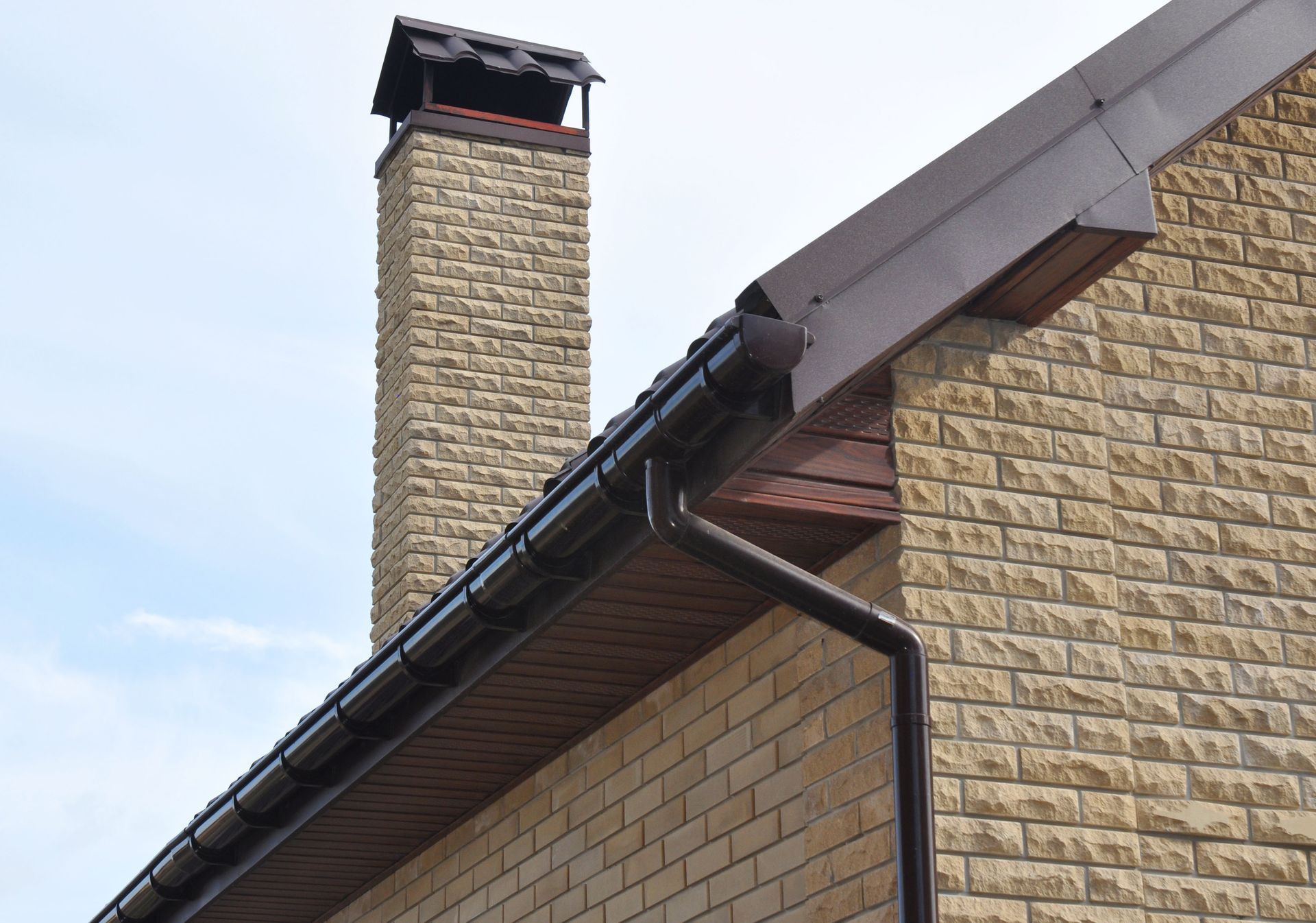
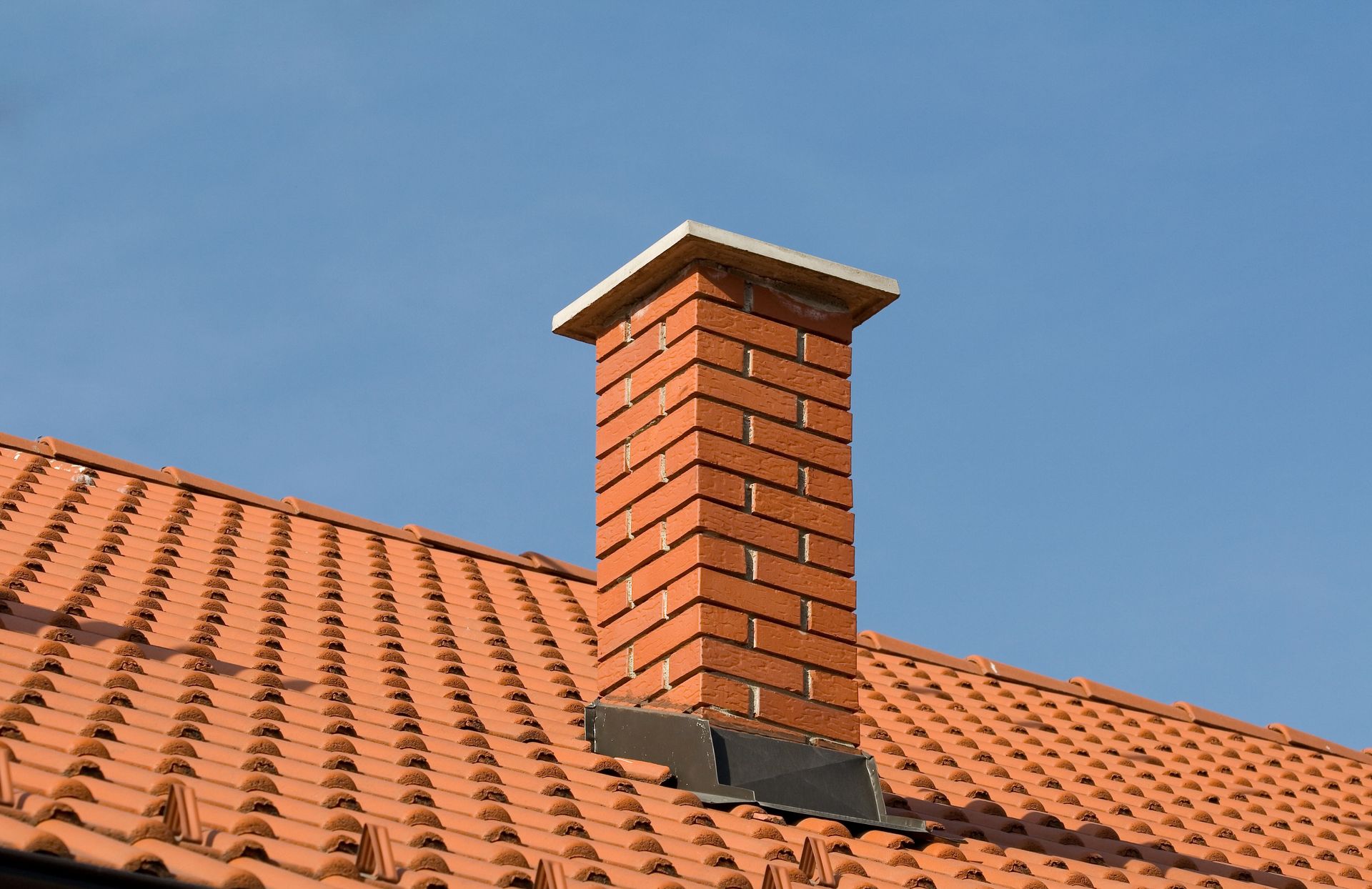
Every residential chimney relies on a carefully engineered combination of tough materials to resist extreme heat and harsh seasonal weather. Classic bricks, natural stones, and specialized mortar form the outer defensive shell of the structure, while internal flue liners shield the interior walls from intense thermal stress. A protective cement wash known as the chimney crown covers the top surface, redirecting rainwater away from the vulnerable vertical joints below. When these distinct elements work together harmoniously, they create a highly reliable venting system that efficiently handles exhaust from your fireplace or heating boiler.
The long-term durability of these materials is heavily influenced by regional climate conditions, especially severe winter freeze-thaw cycles. When water penetrates porous brickwork and freezes, it expands violently, causing the solid faces to spall and mortar joints to crumble. This ongoing struggle against the elements highlights the value of the broader masonry market; according to IBISWorld, the overall revenue of the American masonry sector surpasses $40.7 billion. To keep your chimney structurally sound amidst these changing environmental pressures, consulting an experienced masonry contractor for routine upkeep remains the most reliable strategy.
Identifying Early Signs of Deterioration
Catching subtle warning signs of decay before they manifest as major structural failures is the primary objective of consistent property evaluations. Homeowners should regularly examine exterior chimney surfaces for loose bricks, missing mortar, or fine hairline cracks slicing through the concrete crown. Water infiltration represents the single greatest threat to brickwork, frequently leading to interior drywall damage and rusted fireplace dampers. If you notice white, powdery salt deposits known as efflorescence staining your exterior walls, it indicates that moisture is actively moving through the brickwork and requires attention from a licensed masonry contractor.
Deterioration also impacts the flashing, which consists of the metal strips installed at the critical intersection where the chimney meets the roofline. When flashing peels away or becomes corroded, rainwater flows directly into the attic space, causing extensive wood rot and fostering mold growth behind walls. Routine physical examinations allow professionals to inspect these hidden junctions and replace failing components before water compromises interior ceilings. Addressing minor material defects early ensures that your chimney remains completely watertight and structurally stable through every season.
Detecting Dangerous Flue and Chimney Blockages
Venting systems must remain completely unobstructed to allow toxic combustion byproducts to escape the home efficiently without backing up into living areas. Over time, external debris like dry leaves, twigs, and nesting materials from birds or small animals can lodge inside the flue opening. These physical blockages disrupt the natural upward draft of the chimney, forcing carbon monoxide and thick smoke back down into the house. Regular maintenance routines ensure that these hazardous obstructions are safely cleared out before you light the first fire of the season.
Internal blockages are also caused by the progressive accumulation of creosote, a highly flammable, tar-like byproduct that coats flue liners during wood burning. As creosote layers thicken, they restrict the diameter of the exhaust path and create a severe fire hazard within the chimney structure. Professional sweepings scrape away these dangerous, combustible residues, restoring optimal airflow and ensuring that your fireplace operates safely and efficiently. Maintaining a clear, clean flue path protects your family from indoor air pollution and keeps your heating system performing perfectly.
Assessing Structural Integrity and Alignment
A chimney must remain perfectly vertical and stable to withstand high wind loads, heavy snow accumulations, and natural earth settling. Environmental stresses can weaken the mortar joints holding the heavy brick column together, causing the entire structure to tilt, lean, or separate from the main house. A leaning chimney indicates a severe compromise in structural integrity that requires immediate remedial attention to prevent a catastrophic collapse onto the roof. Evaluating the straightness and physical alignment of the brickwork is a core focus of every property inspection.
Structural assessments also evaluate the internal flue liner, which acts as a thermal barrier protecting the surrounding framing of the home from intense heat. Cracked clay liners or deteriorating metal flues can allow heat to transfer directly to nearby wooden studs, potentially sparking a hidden house fire. Licensed professionals use advanced video cameras to examine these internal conduits from top to bottom, looking for gaps, cracks, or displaced liner sections. When structural issues are detected, a specialized masonry contractor can perform chimney rebuilding or lining restoration to restore structural safety.
Avoiding Costly Hazards and Structural Damage
Postponing routine care can result in severe consequences that extend far beyond the fireplace, affecting your roof, siding, and entire home foundation. When water leaks through a cracked chimney crown, it travels downward, deteriorating the basement walls and compromising the structural stability of the home. Enlisting a professional masonry contractor to apply water-repellent sealants and repair damaged joints keeps moisture completely outside where it belongs. Investing in routine maintenance preserves the value of your real estate asset and prevents the need for emergency structural interventions.
Unmaintained chimneys can also cause extensive cosmetic and structural damage to your exterior siding and gutter systems due to acidic runoff. When moisture mixes with soot deposits on a crumbling chimney exterior, it creates a corrosive liquid that stains siding panels and eats away at aluminum gutters. Keeping the brickwork clean and intact prevents this damaging runoff from staining your house or disrupting your property's water drainage systems. Consistent maintenance ensures that every connected component of your home exterior works flawlessly together to resist weather damage.
Partnering With Licensed Specialists for Preservation
While homeowners can easily look for obvious exterior cracks, a comprehensive inspection requires specialized tools and deep technical knowledge of heat dynamics. Professional inspectors possess the training necessary to identify hidden defects, evaluate flue drafts, and recommend specific restoration procedures that match your home's architecture. They look past superficial aesthetics to ensure that the entire system complies fully with local building codes and fire safety standards. Relying on expert assessments provides absolute peace of mind that your heating features are safe for continuous use.
Working with an experienced professional allows you to establish a long-term maintenance schedule tailored specifically to the condition of your brickwork. These specialists provide a complete suite of exterior services, including tuckpointing, foundation repair, basement waterproofing, and chimney rebuilding to address every vulnerability. Securing the services of a qualified masonry contractor ensures that premium materials and time-tested craftsmanship techniques are applied to your property. Choosing professional preservation is the most effective way to guarantee the longevity, beauty, and safety of your home's exterior features.
Maintaining a masonry chimney is a critical responsibility that yields exceptional rewards for home safety, structural longevity, and overall property value. Entrusting your brickwork to a professional masonry contractor remains the most effective approach to managing your home's exterior features.
Prioritizing these proactive cleanings and inspections protects your entire property from severe water damage, hazardous chimney fires, and costly foundation issues. We invite you to experience our exceptional craftsmanship and protect your home by scheduling your next inspection with us at Primeline Masonry and Roofing.