May 21, 2026
For many homeowners, the fireplace is the heart of the home, providing warmth, comfort, and a focal point for family gatherings during the colder months. However, the chimney that vents the fireplace is often an "out of sight, out of mind" structure. Because it is exposed to the harshest elements—from freezing rain and snow to the intense internal heat of combustion—it is susceptible to gradual deterioration that can quickly turn into a safety hazard. Ignoring the early warning signs of damage doesn't just lead to more expensive fixes later; it can jeopardize the structural integrity of your house and the safety of your family.
Staying vigilant is especially important depending on the age of your property. According to Down to Earth Products, chimney repairs are generally more common in older homes, especially those over 50 years old. These aging structures often lack modern liners or have masonry that has reached the end of its natural lifecycle. Whether your home is a historic treasure or a modern build, understanding the red flags that indicate a failing system is essential for every homeowner. In this article, we will explore the critical signs that your chimney requires professional attention to ensure your home remains safe and efficient.
Efflorescence or White Staining
One of the most common yet frequently ignored signs of trouble is the appearance of a white, powdery substance on the exterior of your chimney bricks. This is known as efflorescence. It occurs when moisture seeps into the masonry and dissolves natural salts within the brick or mortar. As the water evaporates, it leaves the salt behind on the surface. While the white staining itself can be scrubbed away, it is a definitive symptom of a larger moisture problem. If you see this staining, it means the masonry is absorbing water, which will eventually lead to internal rotting and the need for professional chimney repairs to seal the structure.
Damaged or Spalling Bricks
Spalling occurs when water enters the pores of a brick and then freezes. As the water turns to ice, it expands, causing the surface of the brick to flake, peel, or pop off entirely. If you find bits of masonry or "brick dust" at the base of your chimney or on your roof, your chimney is literally crumbling from the inside out. This isn't just an aesthetic issue; it is a structural failure. Without intervention, the bricks will continue to disintegrate until the chimney becomes unstable. Identifying spalling early allows you to target specific areas for chimney repairs before the entire stack requires a costly teardown and rebuild.
Cracked or Deteriorated Mortar
Mortar joints are the "glue" that holds your chimney together, but they are much softer than the bricks themselves. Over time, exposure to wind and rain causes these joints to crack or fall out, a process known as erosion. When mortar fails, it leaves gaps that allow even more water to enter the system, accelerating the destruction of the bricks. You can test the health of your mortar by lightly scratching a joint with a screwdriver; if it crumbles easily or falls away, the integrity of the chimney is compromised. Repointing, which is the process of replacing old mortar, is one of the most vital forms of preventative chimney repairs.
Cracked Chimney Crown
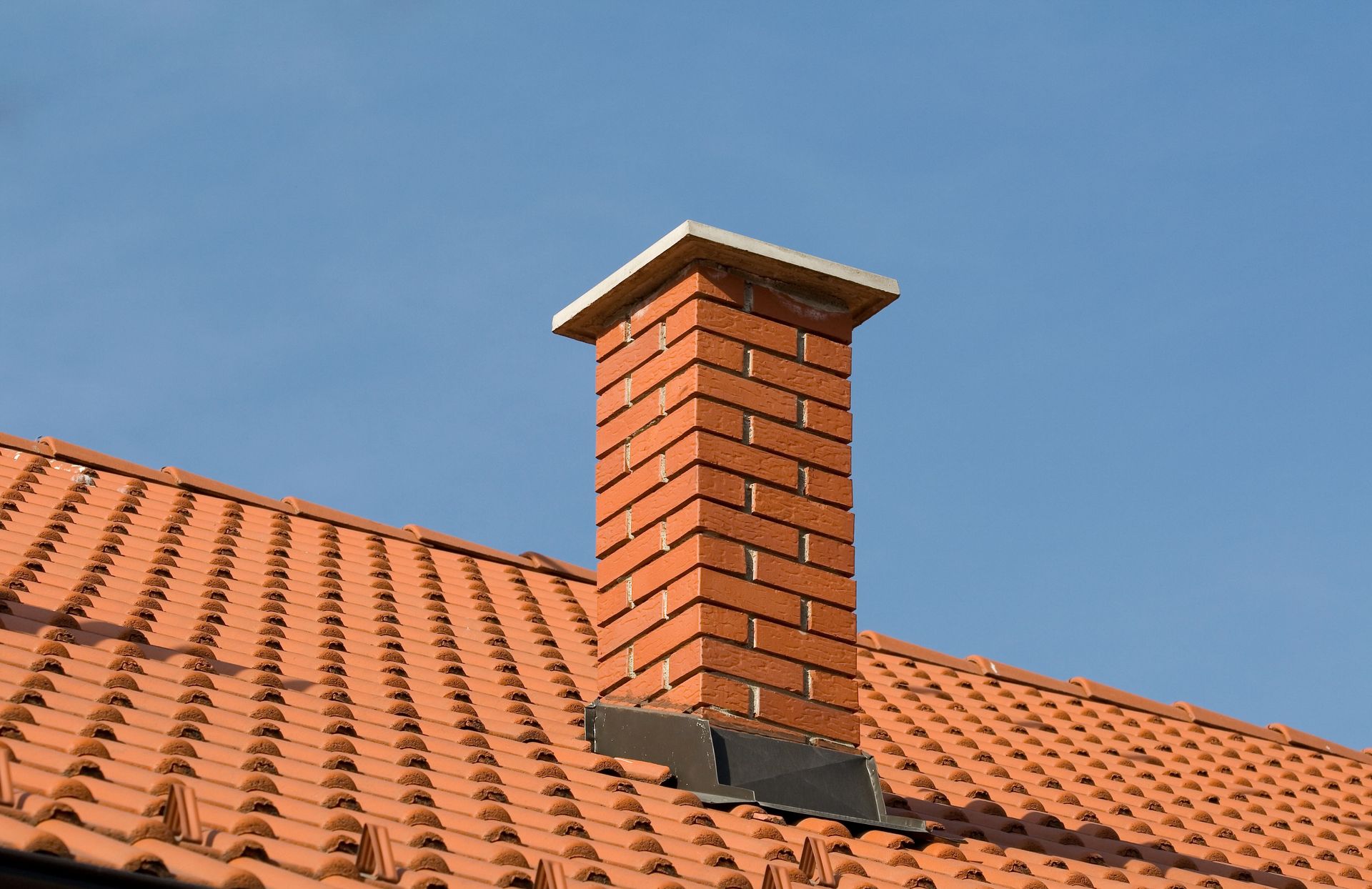
The chimney crown is the concrete slab that sits on top of your chimney, acting as a roof to protect the masonry below. Because it is flat and directly exposed to the sun and rain, it is prone to shrinkage cracks. Even a hairline fracture in the crown can allow gallons of water to pour into the center of the chimney structure during a heavy storm. This water can bypass the bricks entirely and rot the interior wood framing of your home or damage the ceiling around your fireplace. Inspecting the crown from the roof is a high-priority task, as sealing these cracks is much cheaper than the extensive chimney repairs required after a massive leak.
Flaking in the Firebox
The interior of your fireplace, known as the firebox, is lined with specialized firebricks designed to withstand extreme temperatures. If you notice that these bricks are beginning to crack or that thin sheets of material are flaking off, your system is no longer safe to use. These cracks can allow heat or stray sparks to reach the combustible wooden studs behind the fireplace. Furthermore, if you see bits of clay tile on the floor of your fireplace, it indicates that your chimney liner is failing. A compromised liner is a major fire hazard and necessitates immediate professional chimney repairs to reline the flue.
Difficulty Operating the Damper
Your chimney damper should open and close smoothly to regulate airflow and keep out drafts when the fireplace is not in use. If you find that the damper is becoming difficult to move, or if you see visible rust on the metal handle or plates, you have a moisture problem. Rust in the damper area usually means that the chimney cap is missing or the crown is leaking, allowing water to sit on the metal components. A rusted damper can get stuck in the closed position, causing smoke to back up into your home, or stuck open, significantly increasing your heating costs during the winter months.
Rusted Metal Components Outdoors
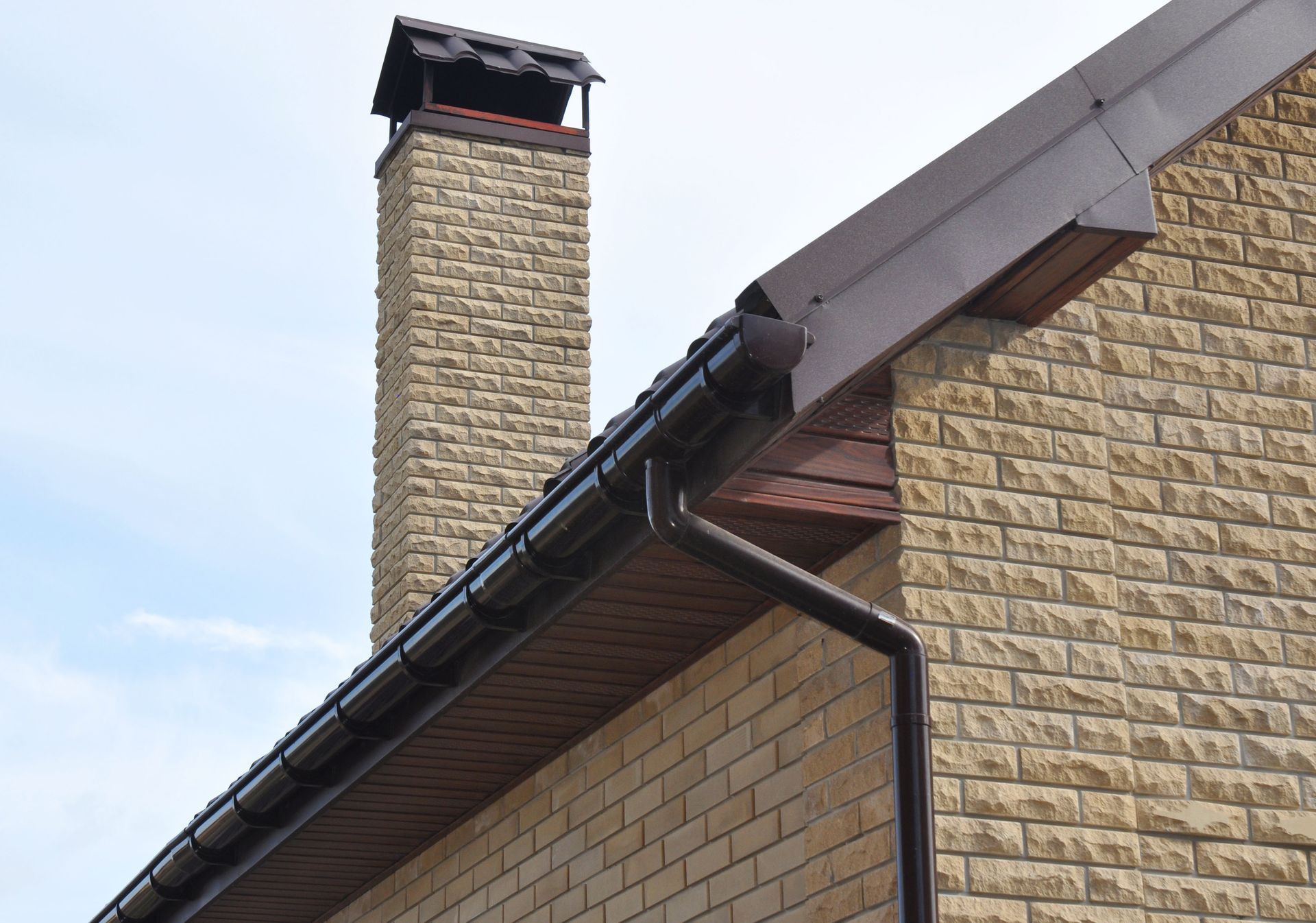
The metal components on the outside of your chimney, such as the flashing or the chimney cap, serve as the first line of defense against the elements. If you see streaks of rust running down your masonry or visible corrosion on the metal flashing where the chimney meets the roof, the seal is likely broken. Flashing is notorious for pulling away from the bricks, creating a direct path for water to enter your attic. Replacing rusted metal and resealing these transition points are essential chimney repairs that protect your home's interior from water damage and mold growth.
Unusual Odors From the Flue
A healthy chimney should not have a strong smell. If you notice a persistent "campfire" smell during the summer or a musty, earthy odor when it rains, you likely have a buildup of creosote or mold. Creosote is a byproduct of burning wood that sticks to the walls of the flue; it is highly flammable and is the primary cause of chimney fires. A strong odor suggests that the buildup is excessive or that moisture is trapped inside the flue. Professional cleaning and inspection are required to determine if chimney repairs are needed to fix drainage issues that are contributing to these foul smells.
Your chimney is a complex system that requires all its parts to be in sync to safely vent heat and toxic gases from your home. From the smallest hairline crack in the crown to the total failure of the interior liner, these signs of wear should never be dismissed as mere cosmetic issues. Because the majority of a chimney's structure is hidden from view, regular inspections are the only way to catch these problems before they escalate into emergencies. By addressing these red flags early, you can preserve the charm of your fireplace while ensuring your home remains a safe haven for your family.
Is your chimney showing signs of wear or acting up this season? Contact our expert team at Primeline Masonry and Roofing today to schedule a professional inspection and get the peace of mind that comes with a safe, functional home!